
Research Overview
Our laboratory is dedicated to advancing immune cell engineering and cancer immunotherapy through innovations in gene delivery, genome engineering, functional genomics, and synthetic immunology. We aim to overcome fundamental technological and biological barriers that limit the development of effective cell-based therapies, particularly for solid tumors.
A major focus of our research is the development of next-generation gene delivery and genome engineering technologies. By integrating viral vector engineering, directed evolution, CRISPR-based genome editing, and transposon systems, we develop innovative platforms for efficient and precise genetic modification of human immune cells. These technologies provide powerful tools for engineering T cells and natural killer (NK) cells, while opening new opportunities for developing safer, more accessible, and more effective cell therapies.
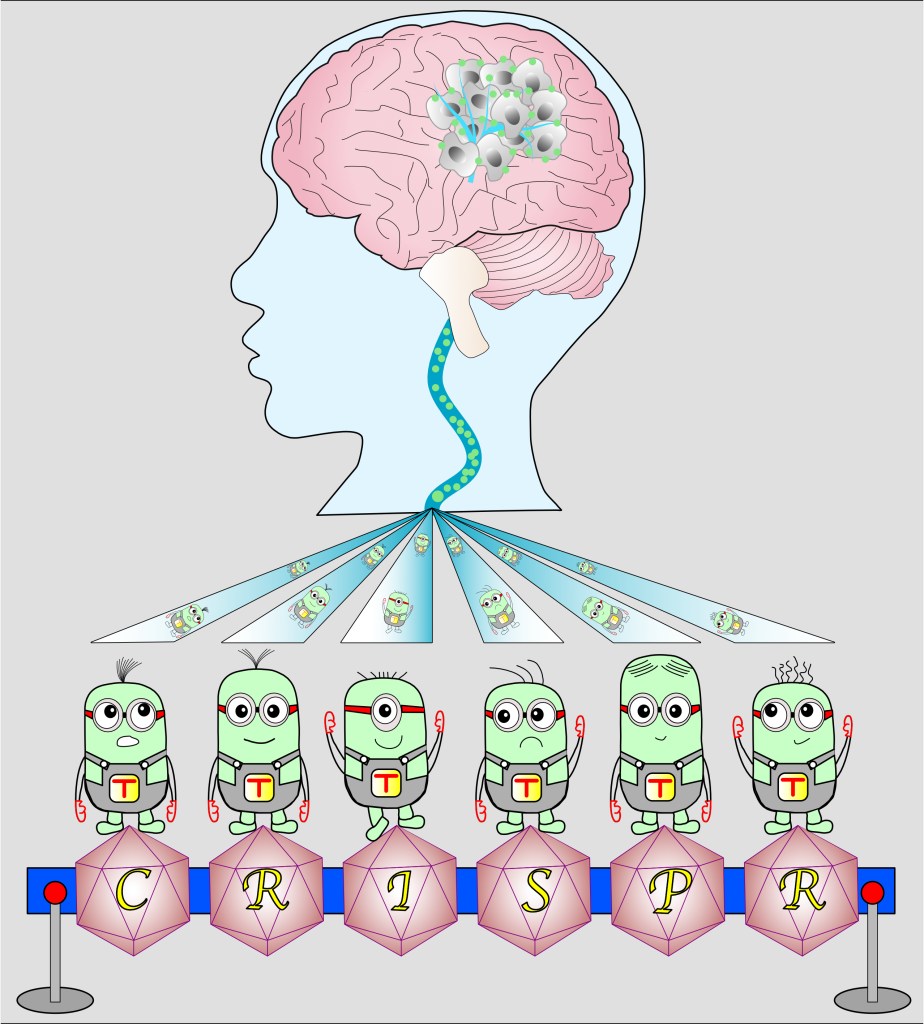
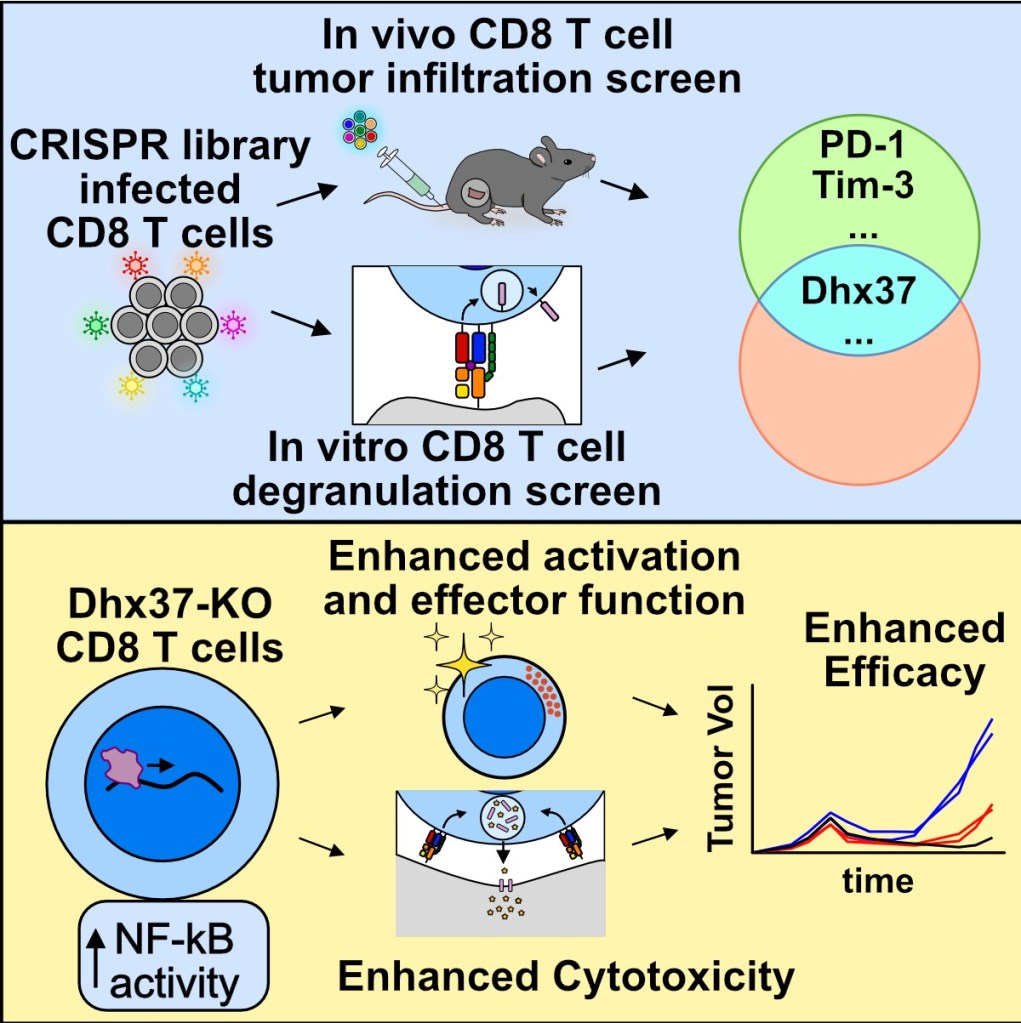
In parallel, we seek to uncover the molecular mechanisms governing T cell function, differentiation, and exhaustion in the tumor microenvironment. By combining large-scale single-cell and multi-omics analyses with high-throughput CRISPR screening, we systematically identify previously unrecognized regulators of anti-tumor immunity. Our research has revealed promising therapeutic targets and regulatory pathways that can be exploited to enhance immune cell fitness, persistence, and anti-tumor activity.
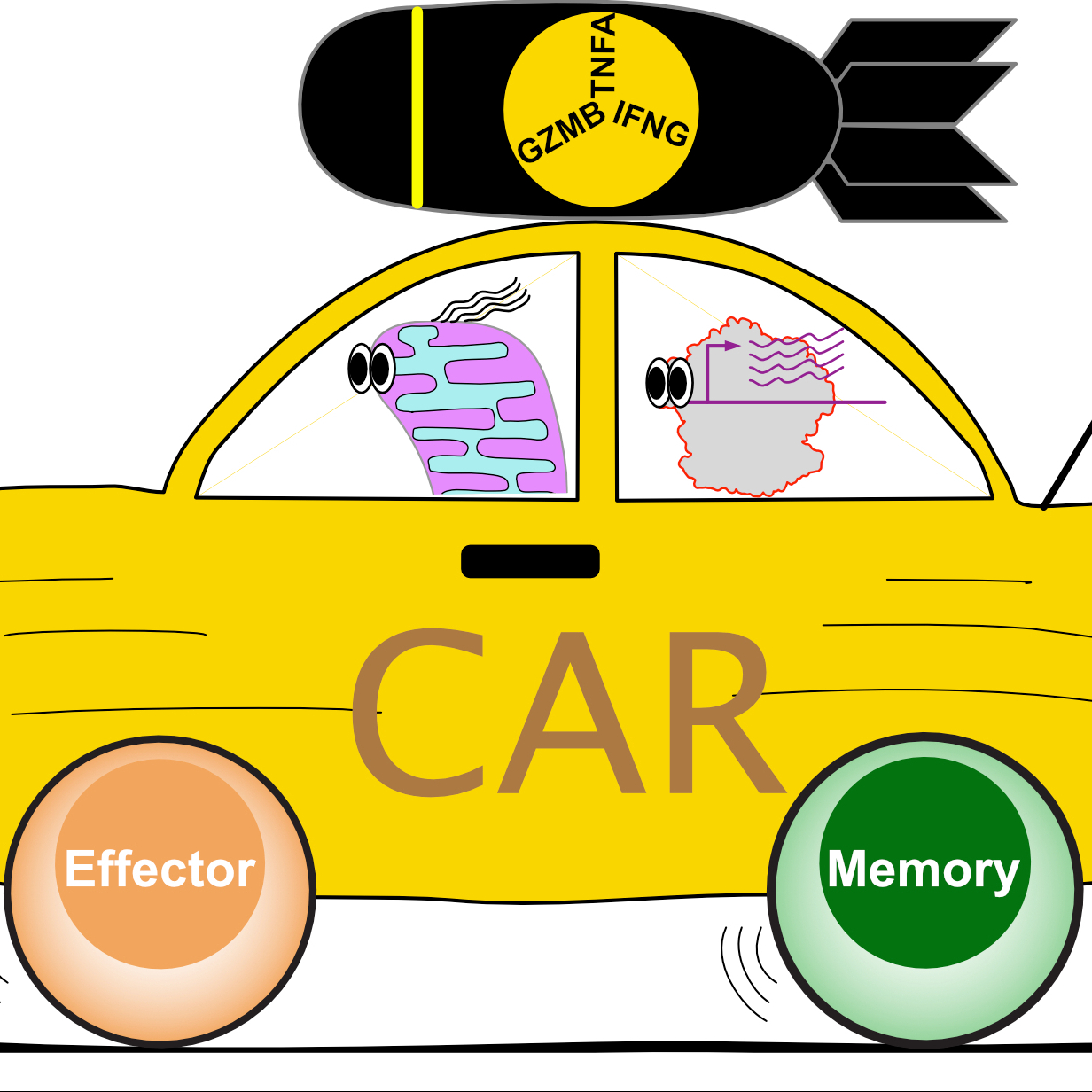
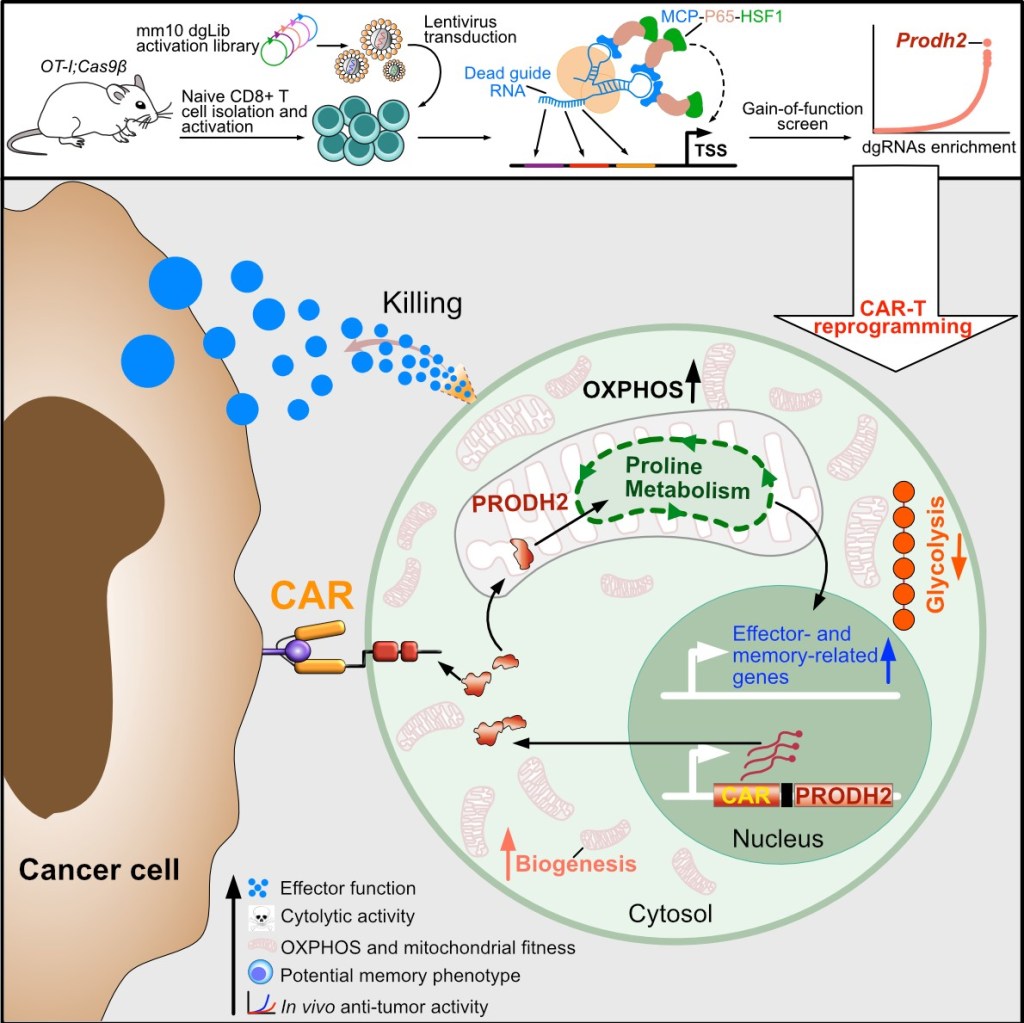
Building on these technological and biological discoveries, we are developing next-generation engineered immune cell therapies, including CAR-T, TCR-T, and CAR-NK cells. Through genetic engineering, metabolic and transcriptional reprogramming, and synthetic biology approaches, we aim to improve therapeutic efficacy, overcome immune dysfunction, and establish programmable control over immune cell activity.
Ultimately, our laboratory strives to bridge technology development, fundamental discovery, and therapeutic innovation. By integrating molecular biology, genetics, immunology, bioengineering, and computational biology, we seek to establish transformative strategies for treating refractory cancers and other challenging diseases.
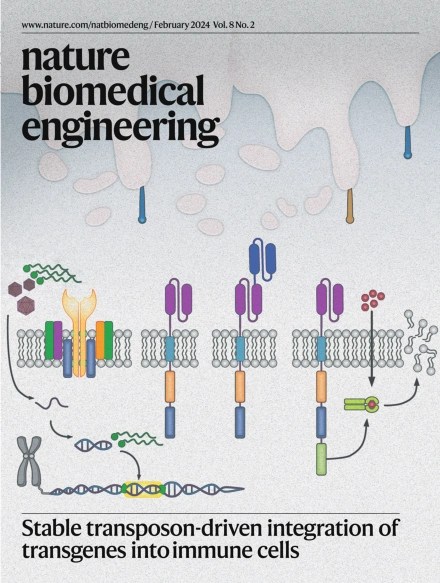
(Cover Story)